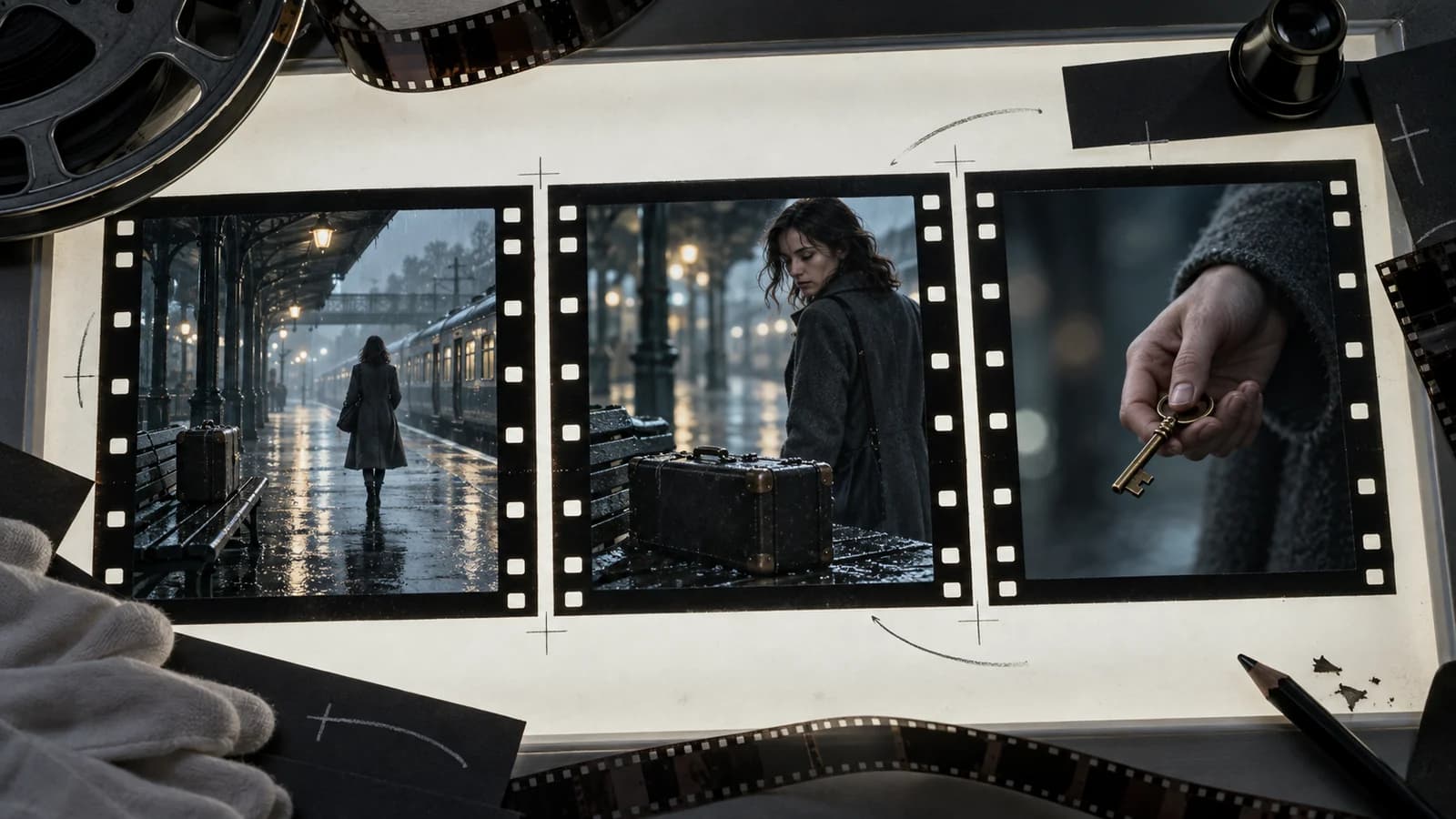
Shot-by-Shot Film Analysis: A Worked Example and a Useful Worksheet
Learn how to analyze a film scene with a shot log, separate observation from interpretation, and turn your notes into a clear argument about storytelling.
Shot-by-shot film analysis is useful when it explains how the filmmaking changes what we understand or feel. A list of close-ups and cuts is only the starting point.
Choose a short scene you can replay. Watch it once without taking notes and write one question: “Why does the courier seem afraid of an ordinary delivery?” A focused question keeps the exercise from becoming a catalogue of camera terms.
1. Record what is actually on screen
A shot runs between edits; a story beat is a meaningful piece of action and may contain multiple shots. Keep these separate. An automated story breakdown should not be treated as a verified shot list.
For vocabulary, Yale’s Film Analysis guide to editing provides illustrated explanations of editing relationships, including shot/reverse shot. Use a technical term only when it helps explain your observation.
Copy this worksheet:
| Time in/out | Visible action | Framing/edit | Sound | What changes for the viewer? |
|---|---|---|---|---|
| Record from the actual video | Describe, without guessing motives | Name only what you can identify | Dialogue, music, silence or effects | Write a tentative interpretation |
Note uncertainty rather than inventing a lens or exact camera movement from an unclear frame.
2. Work through an example
The following is a proposed shot plan for an original doorway scene, not observations from a filmed clip.
| Proposed shot | What we would show | What it could make us notice |
|---|---|---|
| 1 | Courier reaches a familiar door without checking his phone. | He may know this place. |
| 2 | Close view of his hand rising; a wrist scar becomes visible. | A physical detail that can matter later. |
| 3 | His hand stops before touching the door. | The ordinary task is difficult for him. |
| 4 | The door opens; he pulls his sleeve down. | He may be hiding something from the recipient. |
“May” matters. A sleeve adjustment could also be accidental. To argue that he is hiding his identity, look for later evidence: does someone recognize the scar, and does that change the relationship?
Our public sample develops this story across 12 timed beats. It is hand-authored with illustrative frames, not a real-video test or a shot-accurate transcript.
3. Turn notes into an argument
Weak analysis: “There is a close-up. This creates emotion and makes the scene cinematic.”
Better analysis: “Showing the scar before the recipient sees it gives viewers information she lacks. When he covers it as the door opens, the delivery starts to look like an attempt to avoid recognition.”
The second version connects a visible choice with a specific effect. It still needs the actual edited scene to support it.
Now test an alternative: if we removed the scar insert, would the story still work? Perhaps the hesitation would remain, but the later recognition would have less preparation. That comparison tells you what the insert contributes.
4. Include sound and the reaction, not just the event
Write down where a line ends and when the other person responds. A pause can change an invitation into a challenge. Music can encourage an interpretation, but it does not prove what a character knows.
If your question is about pacing, compare the time spent on the discovery with the time allowed for the reaction. If it is about spatial clarity, track where people stand and whether the edit preserves that relationship. Analyze the choice relevant to your question.
5. Use the analysis in your own work
Extract a technique rather than copying a scene. For example: “Introduce a small visible detail before another character understands its meaning.” You could apply that to a broken trophy or a misaddressed envelope with entirely different characters and dialogue.
VidBreak can produce a story-script reconstruction to help you locate actions and lines in an authorized reference. Optional Viral DNA offers another interpretation of the hook and pacing. Compare both with the video; neither replaces a manual shot log or real audience measurements.
For longer drama structure, continue with beats, scenes and episodes.
FAQ
Do I have to identify every lens and camera setting? No. Record what you can observe. A framing description is more useful than a guessed focal length.
Can I analyze only one scene? Yes. A short scene with a clear question is a good first exercise. Refer to earlier or later events only when they support your argument.
Does identifying a hook explain why a video went viral? It gives a creative hypothesis. Reach, distribution and actual viewing behavior require separate evidence; a scene analysis cannot establish the cause of popularity on its own.
More Posts
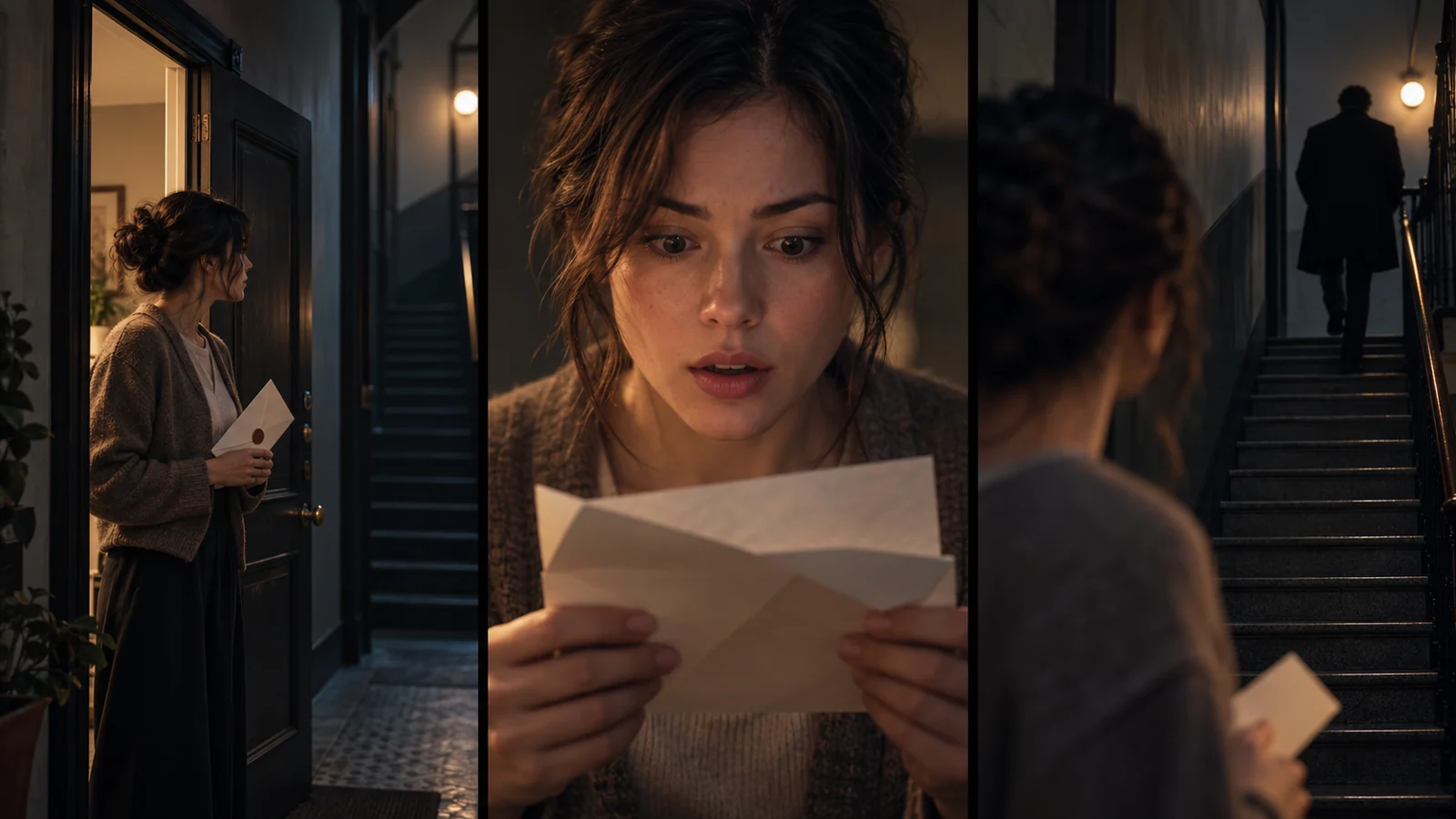
Vertical Micro-Drama Structure: How One Episode Leads to the Next
Understand beats, scenes and episodes through a complete three-episode story. Learn where to split a short drama and how to spot repetitive scenes.
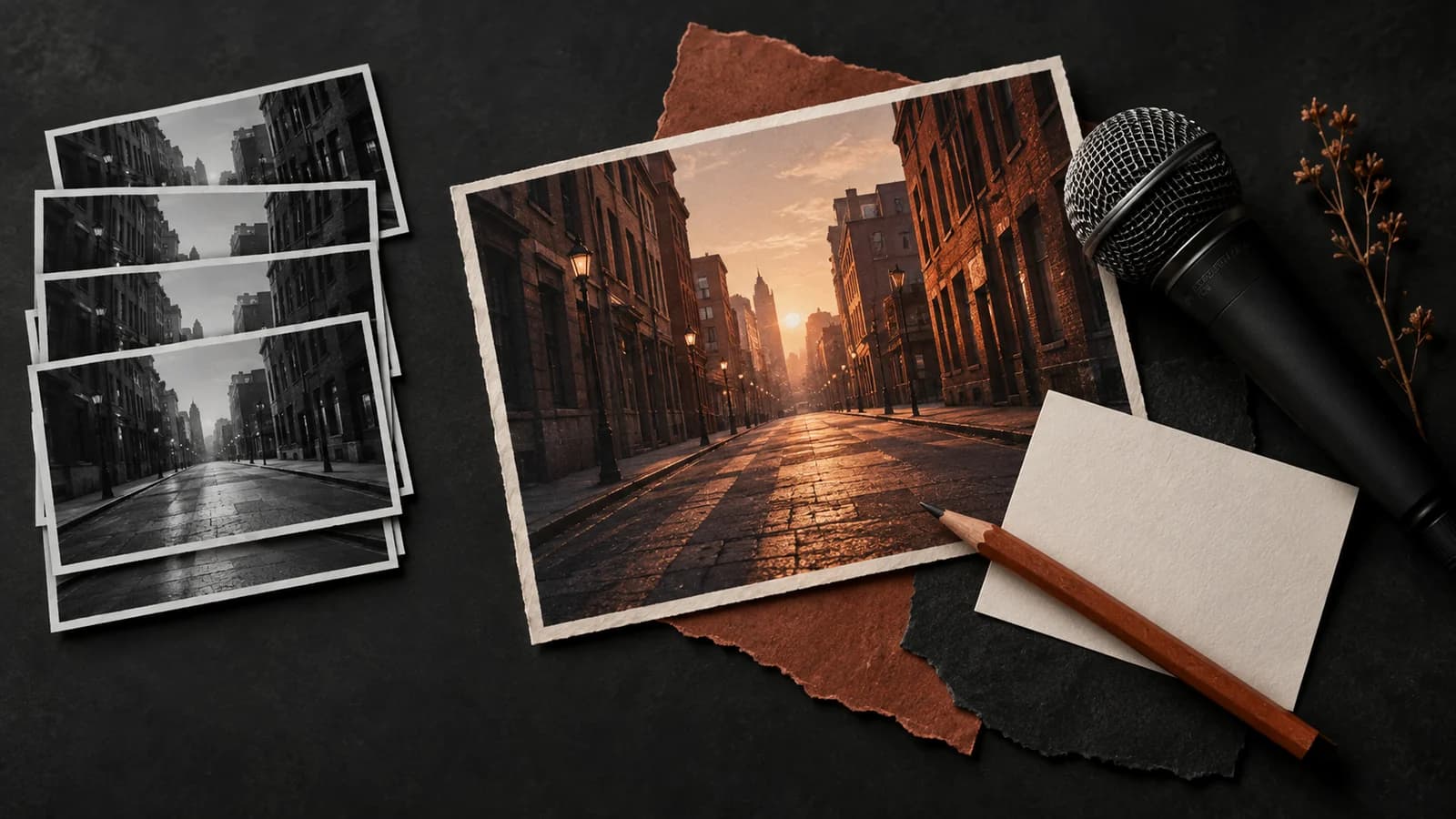
Faceless YouTube Videos: How to Add Value Beyond Reused Clips
Plan a faceless analysis video around an original question, useful commentary and a worked script outline. Understand reused content and what cosmetic edits cannot solve.
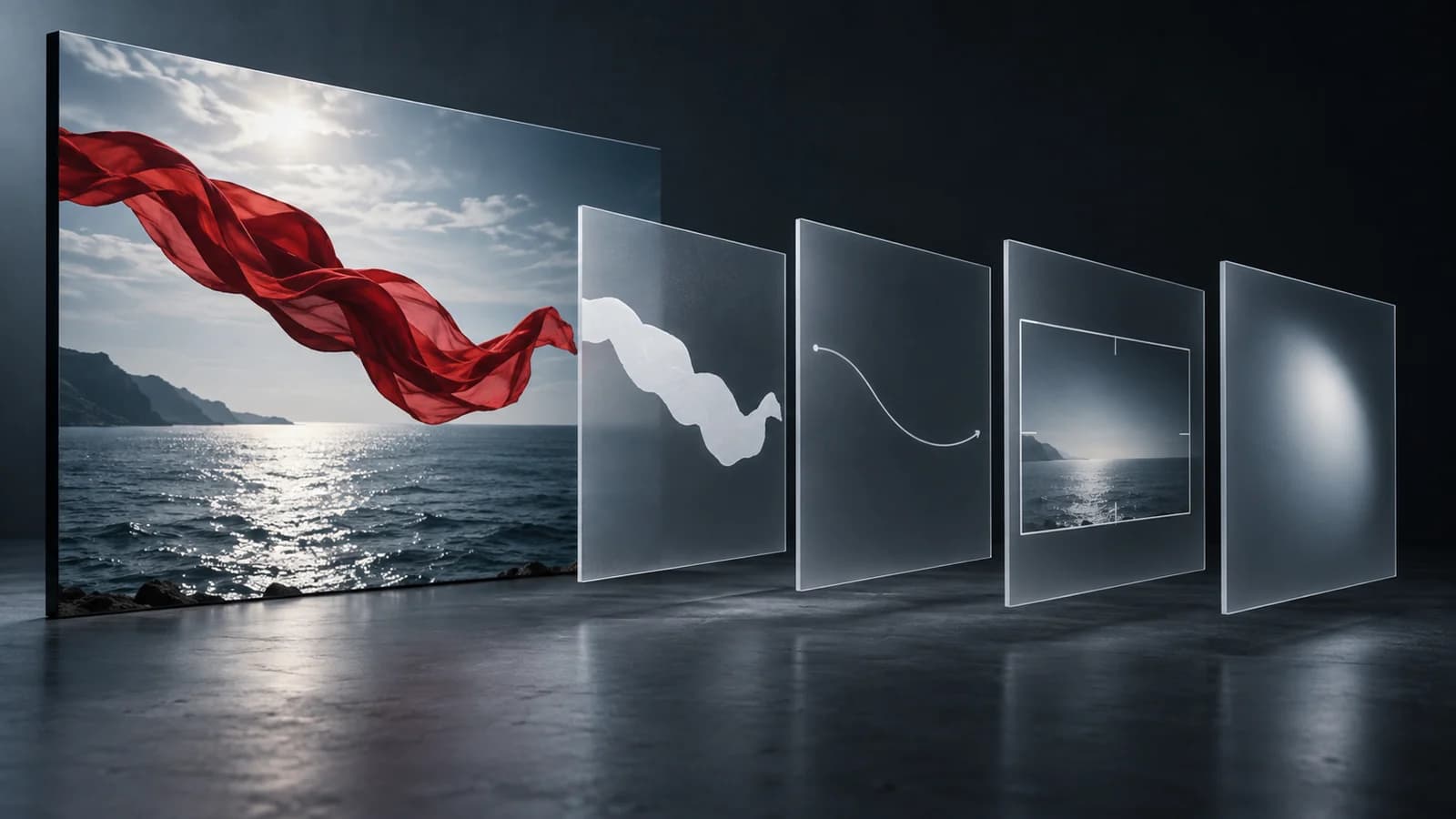
Video to Prompt: Build a Clear AI Video Prompt from a Reference
Turn reference footage into a usable AI video prompt with an observation sheet, worked text-to-video and image-to-video examples, and a troubleshooting table.